How Much Rip Rap Do I Need? A Guide to Size, Coverage, and Delivery
How Much Rip Rap Do I Need? A Guide to Size, Coverage, and Delivery
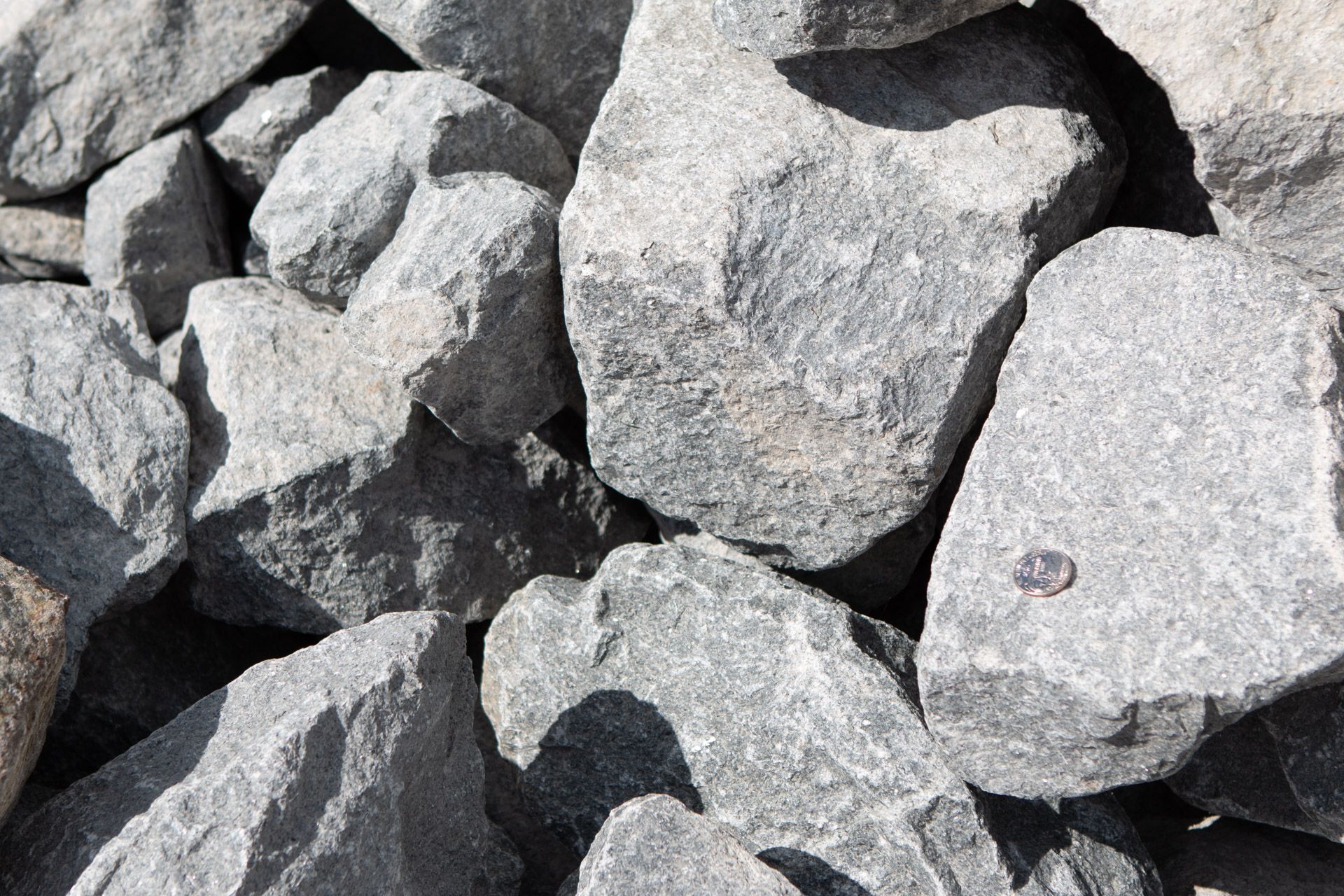
Rip rap is a durable solution for controlling erosion, stabilizing slopes, protecting drainage areas, and managing water runoff. But once you know rip rap is right for your project, the next question is usually: How much rip rap do I need?
The answer depends on several factors, including the size of the area, the depth of stone needed, the type and size of rip rap being used, and the conditions of your project site.
Whether you're working on a drainage ditch, slope, shoreline, washout area, or another erosion-control project, understanding these factors can help you order the right amount of material and avoid coming up short.
How Do You Calculate How Much Rip Rap You Need?
To estimate how much rip rap you need, start by determining the dimensions of the area you want to cover.
Measure the:
- Length of the project area
- Width of the area
- Desired depth of the rip rap layer
Multiplying the length by the width gives you the total square footage. From there, the depth of the stone layer helps determine the total volume of material required.
However, estimating rip rap isn't always as simple as calculating square footage. Large, irregular stones create different coverage than smaller gravel, and slopes, uneven ground, water flow, and site conditions can all affect how much material is needed.
For that reason, it's helpful to have your project measurements ready when ordering and discuss your application with a material supplier.
What Size Rip Rap Do I Need?
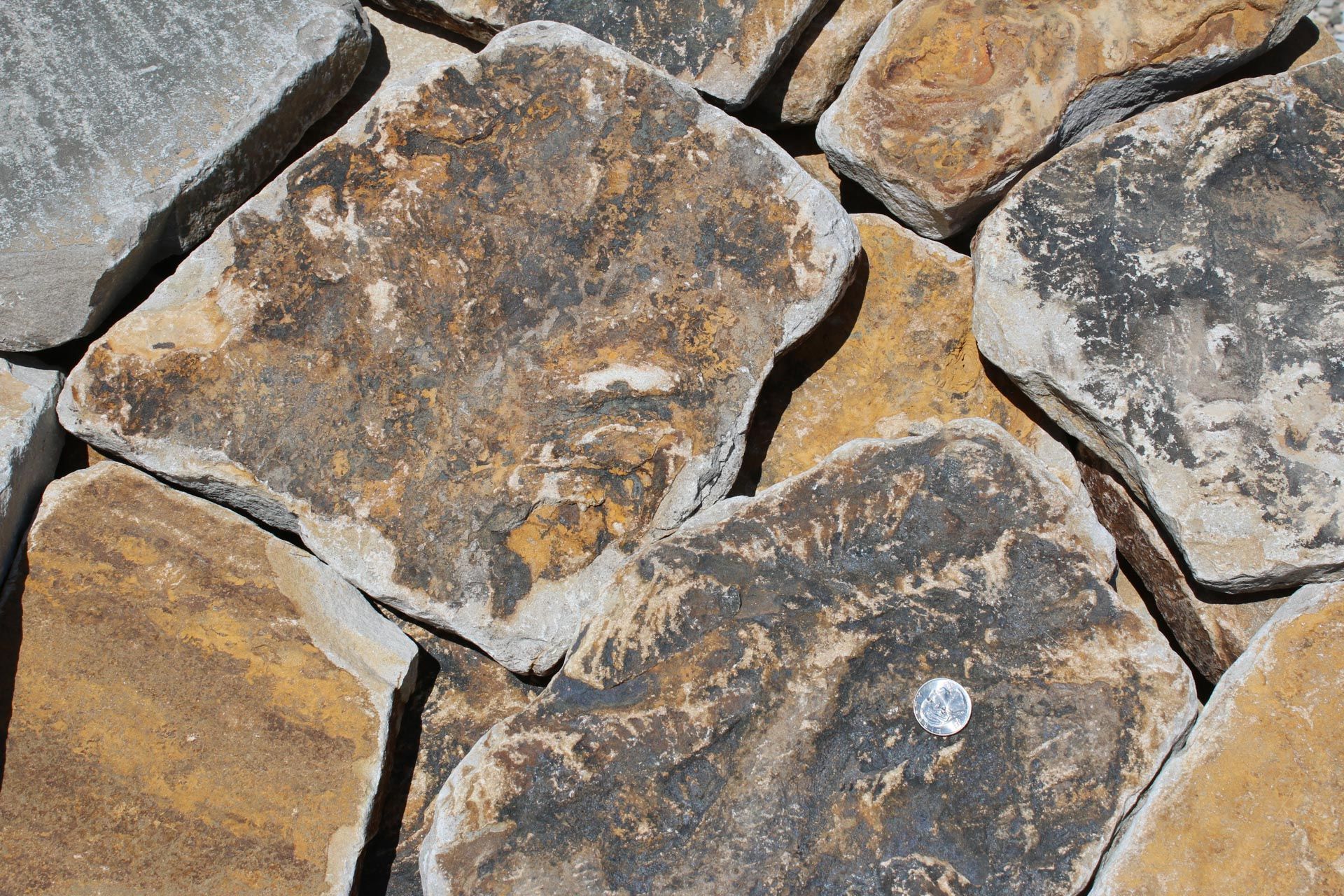
The right rip rap size depends largely on where the material will be installed and how much erosion or water movement the area experiences. Smaller stone may be suitable for areas with lighter runoff or less severe erosion. Larger rip rap is often used where stronger stabilization is needed, such as steep slopes, drainage channels, shorelines, culverts, and areas exposed to heavier or faster-moving water.
When choosing a size, consider:
- The amount and speed of water moving through the area
- The severity of existing erosion
- The slope of the land
- The size of the drainage area
- The desired depth of the stone
- Whether the rip rap will be used primarily for drainage, stabilization, or erosion control
Choosing the right size is important because stone that is too small may move during heavy water flow and fail to provide the protection the area needs.
How Much Rip Rap Do I Need for Erosion Control?
For erosion-control projects, both coverage and depth matter.
Simply covering exposed soil with a thin layer of rock may not provide enough protection in areas that experience significant runoff. Rip rap needs to create a stable layer that helps absorb the force of moving water while protecting the soil underneath.
The amount you need will depend on the size of the area being protected, the slope, the severity of the erosion, and the size of stone selected.
If you're dealing with an area that repeatedly washes out after heavy rain, it's especially important to consider why the erosion is occurring.
Addressing the water flow and using an appropriate amount of rip rap can provide a more effective long-term solution than repeatedly replacing washed-away soil or smaller stone.
How Much Rip Rap Do I Need for a Drainage Ditch?
Drainage ditches are one of the most common places rip rap is used because moving water can quickly erode exposed soil.
To estimate rip rap for a drainage ditch, measure the length and width of the area that will be lined. You'll also need to consider the sides of the ditch if they require protection, not just the bottom.
The amount of material needed can vary based on:
- Length and width of the ditch
- Depth and shape of the ditch
- Steepness of the sides
- Speed and volume of water flow
- Rip rap size
- Installation depth
- Areas around culverts or other drainage structures
How Deep Should Rip Rap Be?
There isn't one ideal depth for every rip rap project.
The appropriate depth depends on the size of the stone, the conditions of the site, and the purpose of the installation. Larger stone generally requires a deeper layer than smaller material to create a stable installation.
Areas experiencing significant runoff, erosion, or water flow may also require a more substantial installation than areas where rip rap is primarily being used for light stabilization.
Before ordering, consider the full depth of the planned installation rather than estimating based only on the surface area. This can make a significant difference in the amount of material required.
Where Is Rip Rap Commonly Used?
Rip rap can be used for a variety of residential, commercial, landscaping, construction, and erosion-control projects.
Common applications include:
List of Services
-
Slopes and Embankments Write a description for this list item and include information that will interest site visitors. For example, you may want to describe a team member's experience, what makes a product special, or a unique service that you offer.List Item 1
-
Drainage Ditches
Lining drainage areas with rip rap can slow erosion and help protect the soil as stormwater moves through the ditch.
-
Washout Areas
If heavy rain repeatedly washes away soil or smaller material, rip rap can provide additional stabilization.
-
Culverts
Rip rap is commonly installed near culvert entrances and exits where concentrated water flow can cause erosion.
-
Shorelines and Water Edges
Rip rap can help protect soil along ponds, lakes, streams, and other areas where moving water or changing water levels contribute to erosion.
Should I Use Rip Rap or Gravel?
Rip rap and gravel can both be useful for drainage and landscaping projects, but they aren't interchangeable.
Rip rap is generally better suited for significant erosion control and areas exposed to concentrated or fast-moving water. Its larger stone size helps it remain in place and protect the soil underneath.
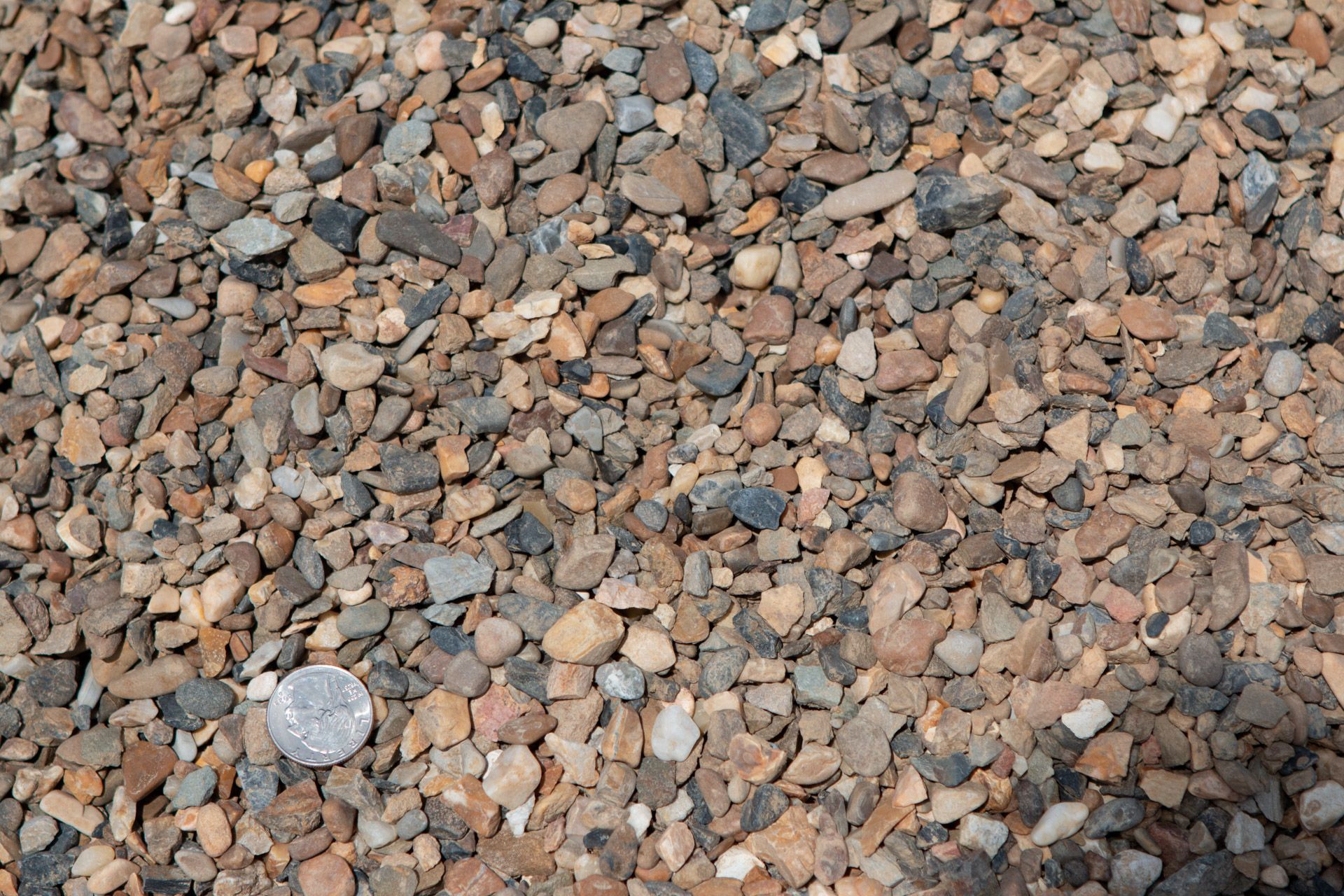
Smaller gravel may be more appropriate for projects such as driveways, pathways, landscaping, and certain drainage applications where severe erosion isn't the primary concern.
For some projects, multiple materials may even be used together as part of a larger drainage or erosion-control solution.
If you're unsure which material makes the most sense, consider how much water moves through the area and whether your primary goal is drainage, erosion protection, stabilization, or general landscaping.
What Should I Know Before Ordering Rip Rap?
Having a few details ready before placing an order can make it easier to estimate the right quantity and choose an appropriate material.
Before contacting your supplier, try to determine:
- What are the dimensions of the project area? Measure the approximate length and width.
- What is the rip rap being used for? Drainage, erosion control, slope stabilization, shoreline protection, and landscaping projects may have different needs.
- How severe is the erosion or runoff? Consider what happens to the area during and after heavy rain.
- What size stone do you need? If you're unsure, describe your project and site conditions to your supplier.
- Can a delivery truck access the property? Consider gates, narrow driveways, overhead obstacles, soft ground, and where you want the material placed.
- How much material will you need delivered? Larger projects may require bulk delivery rather than transporting material yourself.
Can Rip Rap Be Delivered?
For larger projects, bulk delivery can make ordering rip rap significantly easier.
Instead of making multiple trips to transport heavy stone yourself, delivery allows you to have the material brought directly to your project site. Before scheduling a delivery, make sure there is adequate access for the delivery vehicle and identify a safe, accessible location where the material can be unloaded.
Park Avenue Materials provides bulk landscape and construction materials in Hot Springs, Arkansas, with delivery options available for qualifying orders and locations.
Not sure what to order? Contact Park Avenue Materials with your project measurements and application to discuss rip rap options, quantity, and delivery.