What Size Rip Rap Should I Use for Erosion Control?
What Size Rip Rap Should I Use for Erosion Control?
Choosing the right size rip rap is an important part of creating an effective erosion-control solution. Stone that is too small may shift or wash away when exposed to heavy runoff, while larger stone may be unnecessary for areas with lighter water flow.
So, what size rip rap should you use for erosion control?
The right size depends on the amount and speed of water moving through the area, the slope of the land, the severity of the erosion, and where the stone will be installed. Drainage ditches, steep slopes, shorelines, culverts, and minor washout areas can all require different approaches.
Understanding your project conditions can help you choose rip rap that provides the stability and protection you need.
Why Does Rip Rap Size Matter?
Rip rap works by creating a protective layer of durable stone between exposed soil and the forces causing erosion.
When rainwater, stormwater, or other moving water reaches the stone, the rip rap helps absorb and redirect some of that energy. This can reduce the amount of soil that is carried away and help stabilize vulnerable areas.
Stone size matters because faster-moving or more concentrated water generally requires material that is less likely to shift.
If the stone is too small for the conditions, heavy water flow may move it downstream or expose the soil underneath. Choosing an appropriate size helps create a more stable erosion-control solution.
What Size Rip Rap Is Best for Erosion Control?
There isn't one rip rap size that is best for every erosion-control project.
Smaller rip rap may be appropriate for areas with relatively light runoff and minor erosion, while larger rip rap is generally better suited for locations exposed to stronger water flow, significant washouts, or greater erosion.
When choosing rip rap, consider:
- How quickly water moves through the area
- How much water the area receives
- Whether water flow is concentrated in one location
- The steepness of the slope
- How much soil has already eroded
- The depth of the planned installation
- Whether the area experiences heavy runoff during storms
-
The goal is to use stone large and heavy enough to remain stable under the conditions of the site.
What Size Rip Rap Should I Use on a Slope?
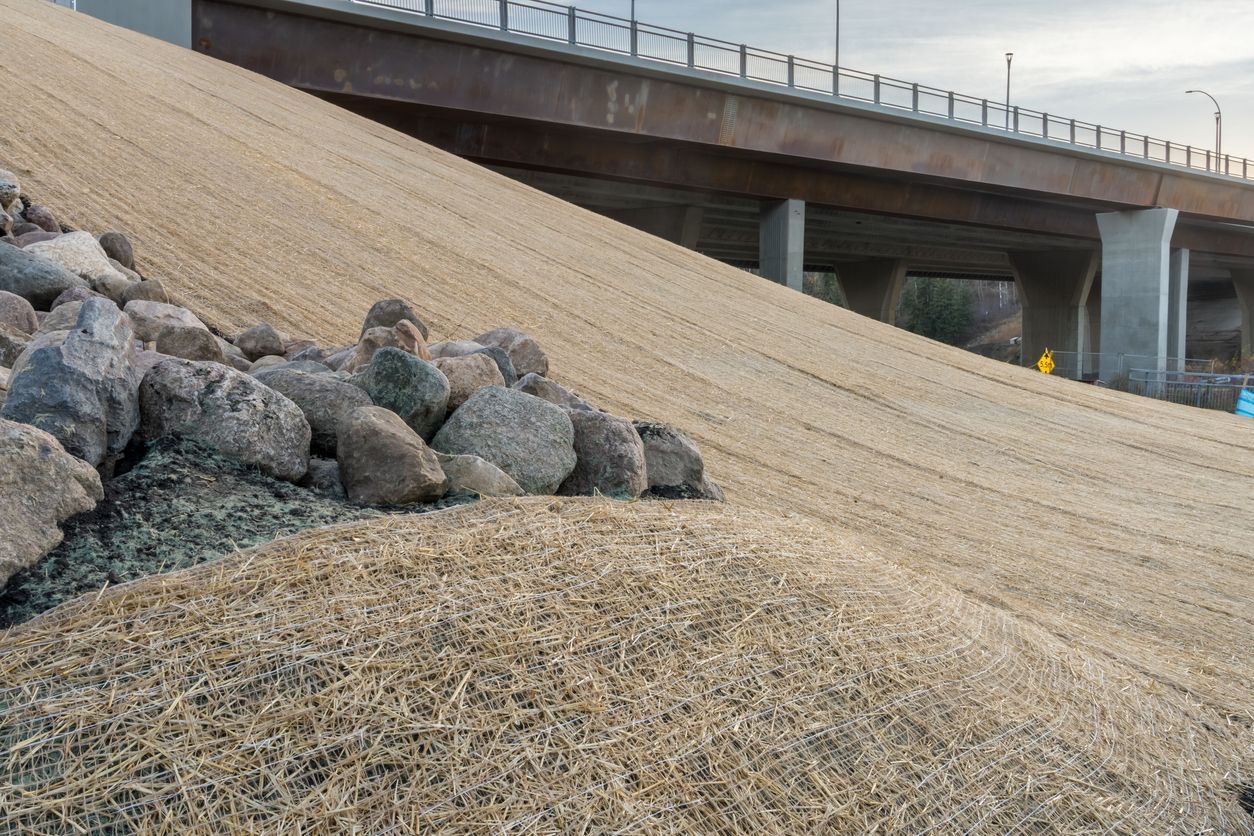
For slopes and embankments, the appropriate rip rap size depends on the steepness of the slope and the amount of runoff moving across it.
A gradual slope with relatively light runoff may not require the same size stone as a steep embankment that regularly experiences heavy stormwater.
Steeper slopes can make it easier for water to gain speed as it moves downhill. That additional force can increase erosion and make smaller stone more likely to move.
When evaluating a slope, consider where the water comes from, where it travels during heavy rain, and where erosion is most severe. Areas where runoff becomes concentrated may require a more substantial erosion-control solution.
What Size Rip Rap Should I Use for a Drainage Ditch?
Drainage ditches are designed to carry water, which means the stone used in them needs to withstand regular water movement.
The appropriate rip rap size depends on the dimensions of the ditch, the amount of stormwater it carries, and the speed of the water.
A small residential drainage area with relatively slow runoff may have different material requirements than a larger ditch that handles substantial stormwater during heavy rain.
You should also consider the entire drainage path. The bottom of the ditch may need protection, but the sides, bends, entrances, exits, and other areas where water changes direction can also experience erosion.
If your drainage ditch repeatedly washes out after storms, using larger, more stable stone may provide better protection than continually replacing smaller gravel or soil.
What Size Rip Rap Should I Use Around a Culvert?
Areas around culverts can experience particularly strong erosion because water is concentrated through a relatively small opening. As water enters or exits the culvert, its speed and force can wash away surrounding soil and create channels, holes, or unstable areas.
Rip rap can be installed around culvert entrances and outlets to help protect the surrounding soil and stabilize areas exposed to concentrated water flow.
Because conditions around culverts can vary considerably, stone size should be selected based on factors such as water volume, water velocity, the size of the culvert, surrounding slopes, and the severity of existing erosion.
What Size Rip Rap Should I Use for Shoreline Erosion?
Rip rap can also be used along ponds, lakes, streams, and other shorelines where moving water gradually wears away exposed soil.The appropriate stone size depends on the conditions of the shoreline. Areas exposed to stronger currents, wave action, changing water levels, or significant erosion may require larger stone than protected areas with relatively calm water.
The slope of the shoreline also matters. A stable rip rap installation needs to protect the soil without simply sliding or shifting toward the water.
For substantial shoreline or waterway projects, additional planning or professional guidance may be needed to determine the appropriate stone size and installation method.
Can Rip Rap Be Too Small?
Yes. Using stone that is too small can reduce the effectiveness of an erosion-control project. Smaller stone is easier for fast-moving water to shift. Once the material begins moving, soil underneath can become exposed and erosion can continue.
Signs that the existing stone may not be large or stable enough include:
- Rock moving after heavy rain
- Bare soil appearing between stones
- Channels forming through the material
- Stone collecting farther downstream
- Continued washouts despite adding more material
- Erosion developing around the edges of the installation
If you're continually replacing washed-away gravel or small stone, it may be time to consider whether a larger rip rap material is better suited to the area.
Is Larger Rip Rap Always Better?
No. Bigger isn't automatically better.
The best rip rap is the material that fits the conditions and purpose of your project. Using unnecessarily large stone can make installation more difficult and may increase the amount of material, equipment, or site preparation required.
For lighter drainage or erosion problems, smaller material may provide sufficient protection. For areas exposed to significant water flow, larger stone may be necessary to create a stable installation.
Choosing rip rap based on the actual site conditions is more effective than simply selecting the largest stone available.
Rip Rap vs. Gravel: Which Should I Use for Erosion Control?
Rip rap and gravel can both help with drainage, but they serve different purposes.
Rip rap is generally better for significant erosion control, slope stabilization, and areas exposed to concentrated or fast-moving water. Its larger size and weight help the stone remain in place.
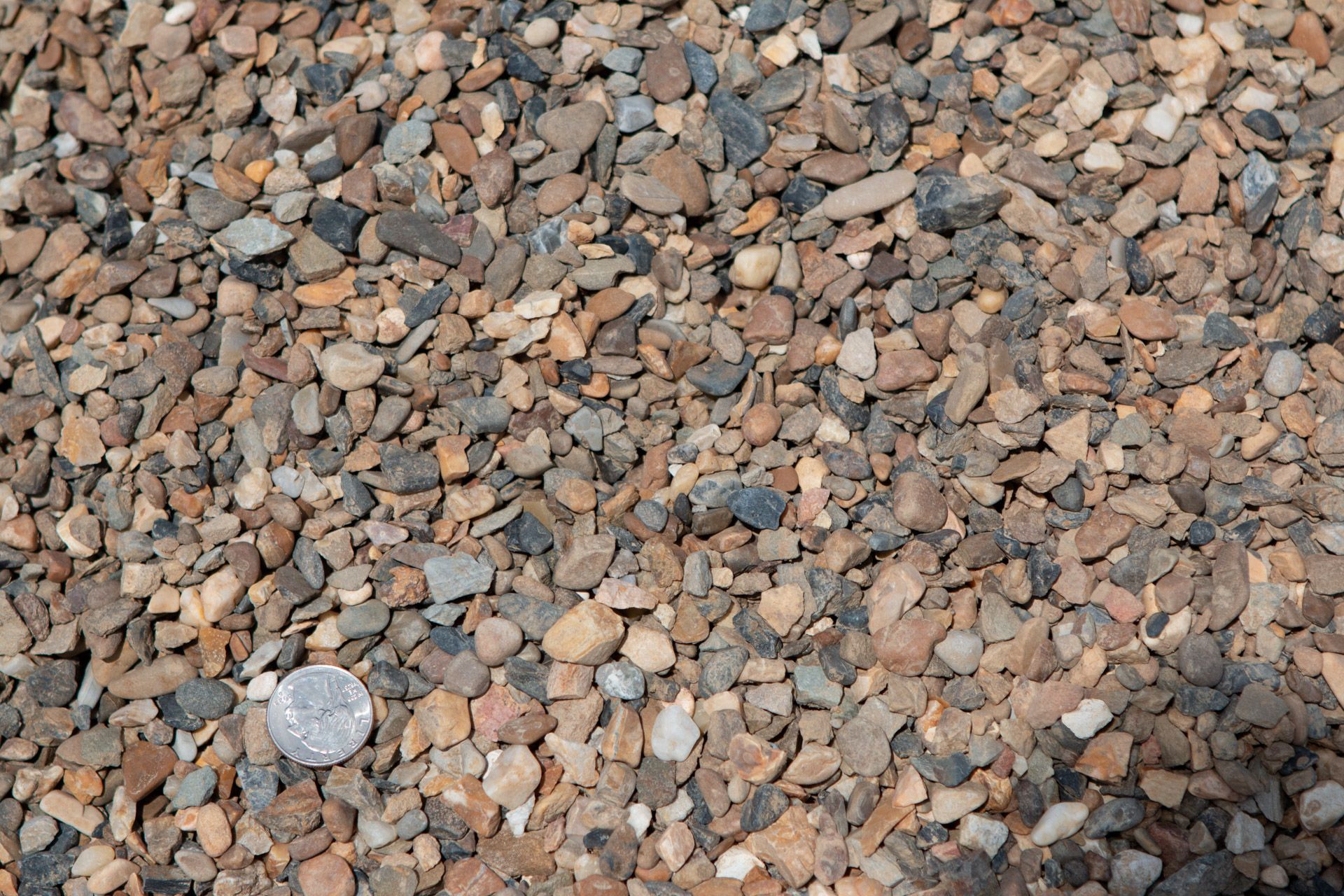
Gravel may be appropriate for lighter drainage applications, landscaping, driveways, pathways, and areas where severe erosion isn't a concern.
If smaller gravel repeatedly washes away from an area, that can be a sign that the location needs a heavier and more stable material. In some projects, gravel and rip rap may be used together as part of a larger drainage or erosion-control system.
Find the Right Rip Rap for Your Project in Hot Springs, AR
Choosing rip rap isn't just about finding the biggest rock available. The right material should match your property's water flow, slope, drainage conditions, and erosion-control needs.
Park Avenue Materials supplies rip rap and other bulk landscape and construction materials for residential and commercial projects in Hot Springs, Arkansas, and surrounding area